
I’m off to the Colorado Christian Writers Conference, so time is a bit crazy for me. I found this article I wrote two years ago and thought it would be fun to share with you. I learned a lot as a newly published author, and many of those lessons are still valuable today. What about you? Can you think of ten things (or four or seven) that you’ve learned since you became a published author?
I’ve learned a lot of surprising things as I’ve realized the dream of being a published author. For those of you in the midst of the pursuit, I offer a few snippets of advice that may help you along the journey.
- Make friends. When you go to a writers’ conference, be more consumed with making relationships with other writers who are in your stage of publication. These dear folks will become some of your closest friends. As your manuscripts get published, you’ll be able to seek advice, ask for prayer, and request endorsements.
- Get used to rejection. It happens on every level of the publishing process. You’ll be rejected by publishing houses, agents, magazine editors, and people who DON’T want you to speak. And as you get published, there’s more rejection heaped on. Now that I’m a “midlist” author, I experience yet another level of rejection, getting messages like, “Well, we’ll talk to you in a few months, when we see whether your numbers are up.” Ouch. Repeat to yourself: rejection is normal; rejection is normal; rejection is normal. Rejection is the air you breathe in this crazy business.
- Realize that publishing is a BUSINESS. Though you may view your writing primarily as a ministry, the folks paying you advances see it in bottom-line terms. Be prepared to be a part of that. Realize that a lot of the onus for marketing will rest on your shoulders.
- Kindness will preserve you. Don’t burn bridges. Don’t be petty. Shun gossip. Yep, this is a weird business populated by all sorts of people. Realize it’s a small community and word gets out.
- Do your best NOT to be difficult. Meet deadlines. Answer emails promptly. Listen, really listen, to your editor. Unless it’s deeply important to you, acquiesce to their changes. That will allow you to go to bat for the things you think really shouldn’t be changed. But always, always communicate with kindness and respect.
- Make friends with folks in the industry whether they help your career or not. I’ve made some lovely, lovely friends who I will probably never work with. The fun thing, though, is that this is a fickle industry. Editors and agents and publishers move hither and yon all the time. Connect with all sorts of folks, not for the sake of your gain, but because Jesus is fascinated by people and you should be too. Pay attention to the people God puts in your life. Perhaps that editor will become a lifelong friend.
- Don’t become so hootie-tootie for your own britches that you are beyond editing. Make it a goal to write a better book (or article or column) each time. Be teachable. Become a lifelong learner of the craft. Go to conferences.
- Give back whenever you can. Teaching enables you to learn more. Consider that helping other people become better writers is a gift you give to the future. You never know the impact Jesus will make through another writer.
- Get rid of jealousy. Life’s way too short to brood on someone else’s talent or success. Rejoice with those who succeed. No sticking pins (or pens) into the hands or brains of successful writer voodoo dolls. (Say THAT 10 times fast!)
- Continue to read widely. Read different genres, classics, poetry, pithy articles, writing books, comics, and, of course, Watching the Tree Limbs. (Sorry, I’m simply obeying number 3 . . . yeah, baby, the marketing onus is on my shoulders!)
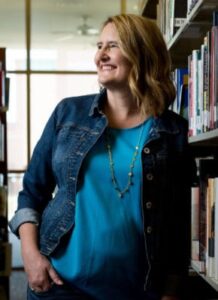 Mary E. DeMuth helps people to turn their trials into triumphs. She mentors new authors through the publishing process and has written two tutorials on book proposals (one for fiction and another for nonfiction). An expert in Pioneer Parenting, Mary enables Christian parents to navigate our changing culture when their families were not good faith examples to follow. Her parenting books include Authentic Parenting in a Postmodern Culture (Harvest House, 2007), Building the Christian Family You Never Had (WaterBrook, 2006), and Ordinary Mom, Extraordinary God (Harvest House, 2005). Mary also inspires people to face their trials through her real-to-life novels, including Watching the Tree Limbs (nominated for a Christy Award) and Wishing on Dandelions (NavPress, 2006). A pioneer parent herself, Mary and her husband, Patrick, reside in Texas with their three children. They recently returned from breaking new spiritual ground in Southern France, where they planted a church.
 John Early McIntyre has been a professional editor for nearly 40 years, more than 32 of them at The Baltimore Sun, where he has headed the copy desk. John earned an undergraduate degree in English from Michigan State University, where he was elected to Phi Beta Kappa, and a master’s degree in English from Syracuse University, where he was a university fellow. John has taught copyediting at Loyola University Maryland since 1995. A charter member of the ACES: The Society for Editing, he served two terms as its president. John has presented workshops on writing and editing at conferences and publications in the United States and Canada.
 Mary Jo (“MJ”) Courchesne is the owner and principal consultant of Gryphon Publishing Consulting. A publishing veteran with more than 20 years of experience in trade, academic, and direct-response publishing, she has spent nearly two decades specializing in licensing, subsidiary rights, and permissions. MJ is a frequent and polished presenter on licensing and copyright. When it comes to intellectual property, she firmly believes that everyone from authors to publishers to corporations should know their rights. To that end, MJ instructed in the George Washington University’s Masters in Publishing program for 13 years, first for 11 years as adjunct professor for a course titled Editorial Content, Rights, and Permissions and subsequently as lecturer in a course on copyright. She currently serves on the Board of Experts for the National Association of Independent Writers and Editors and is a member of the Independent Book Publishers Association and the Society of Children’s Books Writers and Illustrators. MJ has also held memberships with other publishing organizations such as the American Society of Picture Professionals and Washington Publishers.
 Like most of you, I have a lot of thoughts about recent events that have centered on race and equality. I’ve read many stories about how this is changing the face of media and wondered how it would affect my work.
 Kristen Fischer is a copywriter and journalist living at the Jersey Shore. She worked as a reporter and copyeditor for Gannett before launching her full-time freelance business in 2005. Her work has been published in Parents, New Jersey Monthly, Prevention, Woman’s Day, SheKnows, and Healthline.
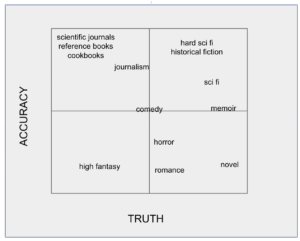 As a writing coach at the Agile Writer Workshop, I meet a lot of people who want to write a memoir or an autobiography. They usually have a story to tell, and it’s usually pretty personal. I always encourage them to write a memoir rather than an autobiography. Autobiographies are usually reserved for famous or infamous people. These new writers often have a harrowing story, or they’ve lived through a difficult time, and their friends tell them “you should write a book.”
 Greg Smith is a writing coach, editor, and publisher. He founded the Agile Writer Workshop in 2011 with the mission of finding a method to help beginning writers complete a first draft in 6 months. The Agile Writer Method is based on the writings of experts in mythology, screenwriting, psychology, and project management. His seminars on the Agile Writer Method have informed and delighted thousands of writers, scholars, and university students. Agile Writer authors have written over 50 first draft novels and 10 published novels. Greg is a developmental editor for novelists and memoirists. He also coaches authors through the self-publishing maze. Greg runs the popular Agile Readers Book Club where new writers can get a beta read from a dozen or more readers.
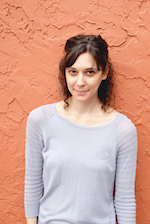 Dana Sitar has been writing and editing for digital media since 2011, most recently as a copy editor for fintech and personal finance. She trains journalists, writers, and editors on writing for the web through sessions at the annual ACES editors’ conference, Utah Valley University, online courses, and private trainings. Dana has written about work and writing in digital media for publications including the New York Times, HuffPost, a column for Inc. Magazine, and dozens of writing and content marketing blogs. As a branded content editor for The Penny Hoarder, Dana managed a team of writers, editors, and social media experts to create multimedia branded content to help advertisers reach an audience of 12 million across platforms including social media, email, blog, and video.
 Barbara McNichol is a nonfiction editor, who works with authors, speakers, and business professionals to add power to their pen through the written word. Barbara wrote Word Trippers: The Ultimate Source for Choosing the Perfect Word When It Really Matters. She offers helpful writing tips weekly and a course to take your writing and editing to the next level: “WordShops: Strengthen Everything You Write.”
 I run three different websites with slightly different WordPress themes: my
 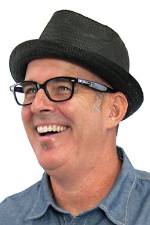 Jake Poinier made the leap into freelance writing and editing in 1999 after a decade of positions in the publishing industry, giving him key insights from both sides of the desk. As the founder and owner of Boomvang Creative Group, he has worked with a diverse array of Fortune 500 and small businesses, consumer and trade magazines, and independent authors. Jake is committed to helping freelancers improve their businesses and shares his knowledge and experiences frequently as a speaker at industry conferences, through webinars, and on his blog.
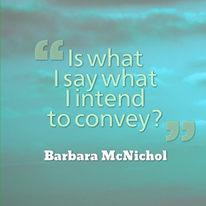 Much of the spoken language slides into our writing, but at times the words we say aren’t the exact fit for what we mean. Check your intention every time!