
Member's Library I am what the librarians have made me . . . B. K. Sandwell
  • About
    • About NAIWE
    • Board of Experts
    • Books Published by NAIWE Experts
    • FAQs
    • Advertising
  • Member’s Area
    • Member’s Library
    • Member Website Development
    • Benefit Links and Passcodes
    • Manage Your Account
    • The Member’s Edge
    • NAIWE Media
    • On-Demand Training (Discount)
  • Training
    • Upcoming Webinars
    • On-Demand Training (Discount)
  • Find a Professional
  • News & Events
    • Blog
    • The Edge
    • The Member’s Edge
    • The Edge Writers Guidelines
    • Conference
    • Podcasts
    • Summer Challenge
    • Words Matter
      • Words Matter Week
      • How to Participate
      • Media
  • Post a Job
  • Contact
  • Member Sites

Be Prepared for That Crisis Moment When You Need Business Backup

Tuesday, June 1 Comment

A recent experience with a contractor reminded me of the value of networking when we’re dealing with a crisis.

I had tried to reach the electrician company I’ve used for a couple of projects, asking when they might be able to help with swapping ceiling light fixtures from one room to another. It took more than a week and a second message for the owner to get back to me, and it turned out that he’s been “living on pain pills” in anticipation of hip surgery next month, and his assistant — his only employee — has been kept busy with not just their projects but ones for the assistant’s parents as well. Needless to say, I’m still waiting for my project to be done. (Yes, I could try finding another contractor, but I would prefer to use someone who’s already done good work for me.)

That made me think about what I would do if, heaven forbid, something happened that would prevent me from being able to write, edit, or proofread, whether temporarily or permanently.

Over the years, I’ve had those situations arise, from major surgery that went wrong and created seven months of recuperation to shorter-term ones involving a few days in the hospital to a day of stomach flu or simple exhaustion. Not to mention dealing with losses — my dad, my mom, my husband — which meant handling not just grief but all of the administrative details that follow. Oh, and a couple of long-distance moves as well.

My first step has always been to notify my regular and ongoing clients that I would be out of pocket for a while. For most of those situations, I’ve said and found that I could keep working, just at a lesser level — maybe a little more slowly than usual, or returning projects in a couple of days rather than immediately. Having work to do has been helpful as a distraction from chaos or crisis, and an incentive to get back to normal as quickly as possible. My regular clients have usually been understanding and supportive, and haven’t dropped me over being temporarily (thank goodness) unavailable.

If a prospective client with a big new project reaches out to me while I’m dealing with such situations, I say I might not or won’t be available at that moment and ask if their project can wait until the situation resolves. Most have said they’ll wait until I can work on their material, which is quite gratifying. On the few (luckily) occasions when something couldn’t wait, my connections made through networking stepped in to help.

There’s also the need for a vacation, or at least a short break from our daily routines — we all need some time off at some point, especially those with partners or kids. Whether or how we need to negotiate that time off depends on the type of client or project we have; some deadlines are more flexible than others.

Where does networking come into these scenarios?

If you’ve built up a strong network of colleagues with similar skills and experience, you have a safety net: people you can trust to take on client projects while you handle whatever is affecting your life at the moment. People whose work and ethics can be relied to be at least as good as you are — and who can be trusted not only to do good work on your behalf, but not to steal the clients!

These are relationships that don’t happen overnight. They require time and effort, and paying attention to the posts and perspectives of people we meet through NAIWE and other professional organizations. We have to be visible ourselves, and give something back to an association and colleagues so we’re known as someone who is not just skilled and experienced, but worth working with and helping. That’s networking at work.

For NAIWE members who aren’t actively visible here and might want to be the ones called on when colleagues need backup, now is the time to start showing up — with blog posts, success announcements, presentations, memberships, event attendance, etc. Even asking questions that colleagues might answer, and thus provide useful advice, gives you a presence and positions you as someone with professional curiosity and rigor, willing to learn and share knowledge.

Beyond NAIWE, make sure you’re visible on LinkedIn, have a website of your own, and contribute to social media conversations about what you do and who you are.

As the one with work to hand off, don’t be afraid to ask about colleagues’ training and skill levels, style guide familiarity, etc. Be prepared to vet colleagues who might be good candidates for when you need a break or a hand. Consider developing an editing or proofreading test to have on hand if and when needed, so you don’t have to come up with that under the pressure of a crisis.

Here’s wishing all of my NAIWE colleagues safety and good health — and the presence of mind to protect our businesses by being prepared for emergencies.
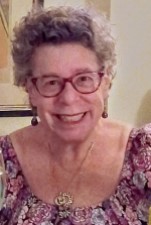
 

Ruth Thaler-Carter
The Networking Expert

Ruth Thaler-Carter has been a full-time freelance writer, editor, proofreader, desktop publisher, and speaker for more than 40 years. She has been published locally, regionally, nationally, and internationally in, and does writing, editing, and proofreading for, publications, associations, nonprofits, websites, service firms, independent authors, and businesses. She sold her first freelance articles when she was still in high school. Often called the Queen of Networking, Ruth is active in about a dozen professional associations, serving as a newsletter editor, webmaster, publication author, speaker/presenter, blogger, program host or planner, and chapter leader. In 2006, Ruth launched the Communication Central Be a Better Freelancer conference — now cohosted with NAIWE — to help aspiring and established freelancers find greater success. Ruth is also owner and editor-in-chief of the An American Editor blog and owner of the Publishing with Flair publishing business. Her honors include member of her high school alumni hall of fame, in part for her publishing work and networking services; Writers and Books Big Pencil Award for teaching adults and contributions to the literary community; EFfie awards for writing, editing, and newsletters; an APEX award for feature writing; the Philip M. Stern Award of Washington (DC) Independent Writers for service to freelancers; and IABC/DC Communicator of the Year and Silver Quills for magazine writing and newsletters.

Categories: NAIWE Board of Experts, Networking, Ruth Thaler-Carter, Work-Life Balance

4 Tips to Turn Your Networking into Life-Changing Success

Wednesday, January Post a comment

Like in many other professions, an author typically needs to be able to forge business relationships to make a living from writing. Whether you’re interacting with an agent, a publicist, a librarian, or a reader, your relationship is the bond. The stronger the relationships, the more likely you will succeed.

Yet most business relationships don’t come to fruition after the initial attempt — even if the match is perfect. You might meet somebody at an author’s convention or when you’re speaking at an event; and by the time you arrive back home, they’re out of mind. You lost a business card, forgot about them, or mixed up your conversations, attributing a discussion to one person when you really had it with a different person.

This doesn’t make you a bad person. It’s life. Memories fade, we lose things, we have good intentions that don’t get fulfilled. But those are also the issues that keep you from succeeding at the highest level.

You don’t have to succumb to these negative consequences. With just a few tweaks in what you do, you can minimize the negative impacts as you continue down the path of success.

Here are some things you can do specific to when you’re meeting people face to face, to ensure the highest success.


  1. Prep makes all the difference.

You’d be amazed how 5 to 15 minutes of prep can change an “encounter that wallows” into a meeting that has great outcomes for both parties. If you know who you will see, learn a little bit about them in advance — what turns them on, what they have done in the past, what has helped them become who they are today. Your research will help spur conversations that yield results as you find commonalities to talk to them about those common loves, challenges, and organizations that you both support.

Prep also makes a difference to what you say. Many people go to events and when asked a question, need to think up an answer on the spot. But if you have pre-thought how you will respond to questions or topics, you may be more at-ease as you speak and project a confidence that may be difficult to project if you’re thinking up your answers on the fly.


  1. Listen actively.

This is one of the most difficult things I ask people to do — because we develop habits over our lifetime that make listening more difficult than it should be.

Have you ever excused one of your lapses by telling somebody that you have a bad memory? Or have you embarrassingly forgotten somebody’s name? Most people think their own memories are poor —and most of that doesn’t really come from having a poor memory; it’s from not listening actively.

While somebody is speaking with you, instead of thinking about what you’re going to say in-reply, focus all your attention on the person whose mouth is moving instead of yourself. Put your other thoughts on hold. HARD? You betcha! You won’t find anything harder — it’s a learned skill, not something you’re born with.

To test it out (and frankly to prove it to my colleagues), a few years ago, when my business team was hosting an event for a local business group, I made it a goal to learn the names of all 50 people as they walked in the door — and my memory is no better than yours.

To accomplish this goal, when I greeted them, I would ask their name, repeat it to them and to myself, and use it once or twice in that short encounter. I put lots of effort into putting my own responses on hold to only listen and remember their names. Then after every 5 or 10 people I greeted, I surveyed the room and asked myself if I knew their names before greeting the next guests.

Thirty minutes later, after some business mingling, I got my chance to speak — and from the front of the room, I managed to address all 50 by name as part of my formal welcome to our facility.

Circus trick? Maybe — but being able to do that is now a skill that I have honed that helps me at least a few times each week.


  1. Record the important stuff.

So I think I just proved that you can remember things a lot longer than you think. But that doesn’t mean you should rely on your memory for the most important details.

Write them down. Put them on your phone. Use whatever method of long-term memory you like best; but don’t solely rely on your own recollection.

Most of us have left events and remembered subsequently that we had a specific discussion with person A when we really had it with person B. We’ve even forgotten entire conversations that happened. Then when we’re ready to take action, we don’t know who we promised what to and thus don’t follow up.

By recording the conversations (including who participated) in a more permanent manner, we’re able to follow up after we leave.


  1. Take action methodically.

An often-missed step is to create a list of action items as soon as you can after the event ends. That doesn’t mean you need to do each task immediately, just that you know what your actions need to be to make the most of the hours you have already spent.

I like to do that ASAP. If there are one or two that I should do now, I act immediately — and mark them as complete. I then assign the rest to other days depending on their urgency and importance, and note the details related to the goal or mission for which I’m doing the follow-up. (If you’ve watched my NAIWE “Smarter Workdays” webinar, you learned a few of the tips for doing this effectively.)

I wrote in my NAIWE blog post last month about a tool that I created to help make sure I don’t let business relationships fade due to lack of follow up. If you want to make your in-person encounters turn into higher success rates, read that blog to learn more.

As writer/businessperson, the easier you make your follow-up activities, the more successful your business interactions will be. You’ll save time; you’ll reduce your stress; and you’ll accomplish more. The tips I shared above are a small part of how you do that.


David Radin is an award-winning author, columnist, CEO, speaker, consultant, and product developer. Two-time finalist for Innovator of the Year and winner of CEO of the Year, David simplifies complex subjects and makes them fun and easy to understand. As national talk radio show host, David reached over a million weekly listeners on 400 stations and XM; and his first book was nicknamed “the Swiss-army knife of high-tech marketing” by industry executives. David concentrates on helping his clients optimize the way they spend their days. His “Time Management in the Age of A.I.” workshops and programs are aimed at giving each participant their own personalized time management framework based on what they do for a living and how they like to do it. His Confirmed suite of apps help his users reclaim and refocus large chunks of time every week. And as a Certified Dale Carnegie Consultant, he can help with change-management, communications, leadership, presentation, and interpersonal skills. David holds an MBA and Certificate in AI Product Management from Duke University, BS from Yale, and has been on Advisory Boards at Penn State University and Oracle. David’s latest book will include content from his workshops.

Categories: David Radin, NAIWE Board of Experts, Networking

New Home Brings New Networking Opportunities and Insights

Wednesday, July Post a comment

I didn’t think there was anything new I could say about networking, and then I realized that a recent big life change offered opportunities to think about the value of networking and ways to make it happen.
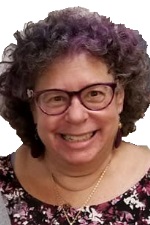
I’ve moved from St. Louis to a condo community outside Albuquerque, New Mexico, to be close to family; the older of my two younger brothers has lived in this area for almost 50 years, and his daughter and son, their families, a cousin and her family, and even a high school classmate all live in the same town. My new place is about a 15-minute drive from them, which is convenient without being intrusive. So far, it’s working out great; I had some health challenges in my first few weeks here while adjusting to the high altitude and dry heat, but I seem to be back to my usual self. To my great relief, my cat is adapting beautifully, despite two airplane flights and temporary quarters at a family friend’s house while awaiting the arrival of my movers.

Where does networking fit into this new adventure? For the past few years, I’ve been active in Missouri Professional Communicators (MPC), the regional affiliate of the National Federation of Press Women (NFPW). And NFPW has a New Mexico branch! Not only that, a friend from high school who lives in Las Cruces is a member. I’ll be attending an Albuquerque Press Women event next week as a first step in establishing professional connections in my new locale and am looking forward to participating in this new-to-me group.

To make it even more exciting, I just received certificates for six awards in the MPC communications contest, which means I’m eligible for national awards at the 2025 NFPW conference this fall. I’m planning to use that recognition in networking and outreach efforts with local and regional publications.
At least one of my other longtime professional memberships doesn’t have a local chapter, but there might be other groups worth joining to expand my networking activity.

My point for NAIWE colleagues is that belonging to and being visible in networking through professional associations can ease the transition to a new home, whether across town or across country. Even if you have family and friends in a new place, networking can bring professional advantages and a stronger sense of belonging. And as I’ve often suggested, if you belong to a national association without a local chapter in your new (or current) region, consider starting one!

Ruth Thaler-Carter has been a full-time freelance writer, editor, proofreader, desktop publisher, and speaker for more than 40 years. She has been published locally, regionally, nationally, and internationally in, and does writing, editing, and proofreading for, publications, associations, nonprofits, websites, service firms, independent authors, and businesses. She sold her first freelance articles when she was still in high school. Often called the Queen of Networking, Ruth is active in about a dozen professional associations, serving as a newsletter editor, webmaster, publication author, speaker/presenter, blogger, program host or planner, and chapter leader. In 2006, Ruth launched the Communication Central Be a Better Freelancer conference — now cohosted with NAIWE — to help aspiring and established freelancers find greater success. Ruth is also owner and editor-in-chief of the An American Editor blog and owner of the Publishing with Flair publishing business. Her honors include member of her high school alumni hall of fame, in part for her publishing work and networking services; Writers and Books Big Pencil Award for teaching adults and contributions to the literary community; EFfie awards for writing, editing, and newsletters; an APEX award for feature writing; the Philip M. Stern Award of Washington (DC) Independent Writers for service to freelancers; and IABC/DC Communicator of the Year and Silver Quills for magazine writing and newsletters.

Categories: NAIWE Board of Experts, Networking, Ruth Thaler-Carter

Welcoming a New Season

Wednesday, April Post a comment

Apologies in advance for invoking a cliché — it’s time to spring into spring.
As a freelance writer and editor, I always view a new year as a great opportunity for new projects and clients, new and better rates, new tools to obtain and use, new aspects of language and usage to learn about and adapt to, and new topics to add to the areas of interest and expertise that I work in. In some ways, 2025 is no different so far; in the first couple of weeks of January, I received assignments from one occasional client and several of my regular ones, presented three Zoom sessions for three associations I belong to, and pitched a few potential new clients with ideas for new projects. It felt like a good start, and provided momentum that is lasting into this new season.

With that said, I’m terrified about the political landscape we’re facing as 2025 has gotten started, but trying to be optimistic about the things I can control, starting with networking activities.

I’ve been active over many years in about a dozen associations, including NAIWE. As some of our members know, I make a point of emphasizing the importance of being more than a “checkbook” member — not just joining an association, but being active and visible in it; not sitting back and waiting for it to hand us something, but giving time and service to the group and its members.

That means participating in discussion lists, forums, and other communications channels by answering colleagues’ questions, giving advice, sharing resources and tools, and even asking questions that lead to useful conversations. It can mean writing blog posts, columns, articles, even books for the group; presenting webinars, workshops, courses, and conference speeches; organizing events; and promoting a group and its services.

We do need to receive enough service, benefits, and connections from our networking efforts to make both the financial and the time elements worthwhile. Where many people err, though, is joining an association just to find new jobs or freelance projects. That’s a valuable aspect, of course, but can lead to disappointment, because simply signing that check or making that online payment is not a guarantee that new work opportunities will magically appear. Most association job services are super-competitive simply on the basis of numbers — depending on the group, anything from dozens to hundreds of members might compete for the same opportunities. Not everyone who applies for those opportunities will be qualified, which makes it more challenging for qualified colleagues to rise to the top and harder for clients to reach those who are right for a job.

I’m not a very political animal, but in 2025, my perspective on networking includes looking for ways to protect democracy, copyright, and civil rights. I’ll be looking for ways to connect my communications skills and activities with those and related issues, which I think will be increasingly important as the year evolves.

On a less esoteric level, I’ll be assessing what I give to my various membership organizations and what I receive in return. I might step back from being as active as I typically am in some of them — and I might find new ones to join and contribute to. As I noted in my most recent NAIWE blog post, I’m heading to a new home where such assessments and investments will be foremost on my agenda, both professional and personal.

Here’s wishing a healthy, productive, and profitable 2025 for all of my NAIWE colleagues.


Ruth Thaler-Carter has been a full-time freelance writer, editor, proofreader, desktop publisher, and speaker for more than 40 years. She has been published locally, regionally, nationally, and internationally in, and does writing, editing, and proofreading for, publications, associations, nonprofits, websites, service firms, independent authors, and businesses. She sold her first freelance articles when she was still in high school. Often called the Queen of Networking, Ruth is active in about a dozen professional associations, serving as a newsletter editor, webmaster, publication author, speaker/presenter, blogger, program host or planner, and chapter leader. In 2006, Ruth launched the Communication Central Be a Better Freelancer conference — now cohosted with NAIWE — to help aspiring and established freelancers find greater success. Ruth is also owner and editor-in-chief of the An American Editor blog and owner of the Publishing with Flair publishing business. Her honors include member of her high school alumni hall of fame, in part for her publishing work and networking services; Writers and Books Big Pencil Award for teaching adults and contributions to the literary community; EFfie awards for writing, editing, and newsletters; an APEX award for feature writing; the Philip M. Stern Award of Washington (DC) Independent Writers for service to freelancers; and IABC/DC Communicator of the Year and Silver Quills for magazine writing and newsletters.

Categories: NAIWE Board of Experts, Networking, Ruth Thaler-Carter

Making Connections in a New Place

Tuesday, April Post a comment

I’m in the process of embarking on another — maybe a last — big adventure. I’m surrounded by packed boxes (42 of books alone so far) and piles of more belongings still to be packed. It’s a lot of work, even with the help of friends, but it’s exciting. A new state, a new town, a new lifestyle.

Foremost in my thoughts about moving to this new place is how to connect with colleagues — to continue my enjoyable history as a joiner, a doer, a connector in my professional life. I’m not just a writer, editor, proofreader, and speaker; I’m known for bringing people together through memberships in groups like NAIWE by hosting meetings, participating in online discussion groups, speaking at events, even creating a conference for other freelancers. Connecting seems to be in my DNA.

I’m not worried about personal-level connections: My brother and his wife, their daughter, son, and grandkids; a cousin and her family; even a high school classmate are all in the immediate area; another niece is an hour or so away; and another close friend from high school days is about three hours away. My new community has an active social committee, among other amenities that bring people together. And my connecting efforts extend to childhood friends, high school and college classmates, neighbors, even family.

Clearly, personal connections should be in good shape. In the current climate, making new professional connections might be more challenging. Professional associations remain invaluable sources of industry knowledge, training, skill-building, networking — but many are struggling to remain relevant, attract new and younger members, be financially stable. Employers no longer support multiple memberships; some not even one. Freelancers have more challenges to making a living, so joining and being active in more than one can take a back seat to finding well-paying client.

A move provides a great opportunity to declutter, deaccession, reorganize, rethink; what to keep, what to leave behind, what to plan to rearrange. For me, it also provides an opportunity to find new organizations to join and contribute to, or chapters of ones I already belong to; new colleagues to meet and work with.

As I’ve written about before, belonging to an association creates instant connections. It gives you a professional “home” no matter where you go. When I came back to St. Louis in 2018, one of the first things I did was find local writers’ and publishers’ organizations that were new to me. Being involved in several national associations meant I could join their local chapters, so I had two levels of connection to enjoy. As I get ready to go to new pastures in New Mexico, I look forward to joining local chapters of some of those national groups and finding new local ones to be part of. I already know that one of my journalism groups has New Mexico chapters — and one of my dearest friends from high school days belongs, so the personal and professional will be hand in hand.

Why create and maintain such connections? Partly thanks to personality: I’m the poster child for extroverts. I love meeting people and working on projects together to benefit each other and our communities; I also feel strongly about finding ways to plug into a new community, through both professional connections and cultural entities — libraries, museums and galleries, charitable organizations, hobby groups. It might not be as much of a “thing” these days as it was when I began my career, but joining and contributing to organizations has been important to that career, and giving back so others can benefit just seems like the right thing to do. Connecting with family, friends, colleagues, and neighbors is a great way to make a new place feel like home.

And by the way, you don’t have to make a big life change or move to a new city or state to make new connections. There are several great professional associations for writers and editors; look for them, and consider joining one you’ve never been involved with before. Or find a new group at LinkedIn, Bluesky, or Facebook. Or create one of your own!

Here’s to maintaining existing connections and making new ones.


Ruth Thaler-Carter has been a full-time freelance writer, editor, proofreader, desktop publisher, and speaker for more than 40 years. She has been published locally, regionally, nationally, and internationally in, and does writing, editing, and proofreading for, publications, associations, nonprofits, websites, service firms, independent authors, and businesses. She sold her first freelance articles when she was still in high school. Often called the Queen of Networking, Ruth is active in about a dozen professional associations, serving as a newsletter editor, webmaster, publication author, speaker/presenter, blogger, program host or planner, and chapter leader. In 2006, Ruth launched the Communication Central Be a Better Freelancer conference — now cohosted with NAIWE — to help aspiring and established freelancers find greater success. Ruth is also owner and editor-in-chief of the An American Editor blog and owner of the Publishing with Flair publishing business. Her honors include member of her high school alumni hall of fame, in part for her publishing work and networking services; Writers and Books Big Pencil Award for teaching adults and contributions to the literary community; EFfie awards for writing, editing, and newsletters; an APEX award for feature writing; the Philip M. Stern Award of Washington (DC) Independent Writers for service to freelancers; and IABC/DC Communicator of the Year and Silver Quills for magazine writing and newsletters.

Categories: NAIWE Board of Experts, Networking, Ruth Thaler-Carter

Connection Is the Key to Networking Value and Success

Friday, May Post a comment

At a recent meeting of one of my local professional organizations, the value of such affiliations was clear.

We talked about what that organization provides to members — why it was worth joining and being active; services and resources that could be used at any level of involvement; what made it different from other organizations, etc. The keyword was “connection,” and it applies to NAIWE.

Association membership is a great way to enhance a writing or editing career. Associations offer learning experiences through training sessions, webinars, courses, conferences, and publications; opportunities for visibility through discussion lists and forums, publishing, and presenting; even ways to earn a few bucks by presenting and contributing to or creating various projects and events. Interacting with colleagues builds our skills, answers our questions, provides access to resources, offers encouragement, and creates long-lasting friendships.

You might not have thought of it in these terms, but participating in any and all such activities is networking, especially if you remember that effective networking is a two-way process: It works when you give as well as get.

Networking through NAIWE means you have colleagues and friends to turn to for advice and for fitting into a new niche of some sort. Fellow members can refer or introduce you for projects and give you a strong leading edge over other candidates. Perhaps most importantly, association membership creates a connection that you can carry wherever you go, whether it’s to new clients and projects, a new industry, a new city, even a new country. That’s especially true of an association like NAIWE, because it’s national.

Despite all of the advantages that networking can bring, though, some colleagues aren’t comfortable with the concept. It might feel more natural and doable to think in terms of connections instead. When we connect with colleagues through associations like NAIWE, we strengthen our professionalism and often contribute to that of others. That makes networking even more than a two-way street; it’s a win for everyone.

However you define it, consider giving networking and connecting a try. If you’ve made efforts in that direction, think about new ways to make an impact. You might be pleasantly surprised at how enjoyable, and beneficial, it can be.

Let us know how networking has worked for you!

Ruth Thaler-Carter has been a full-time freelance writer, editor, proofreader, desktop publisher, and speaker for more than 30 years. She has been published locally, regionally, nationally, and internationally in, and does writing, editing, and proofreading for, publications, associations, nonprofits, websites, service firms, independent authors, and businesses. She sold her first freelance articles when she was still in high school. Often called the Queen of Networking, Ruth is active in about a dozen professional associations, serving as a newsletter editor, webmaster, publication author, speaker/presenter, blogger, program host or planner, and chapter leader. In 2006, Ruth launched the Communication Central Be a Better Freelancer annual conference, now cohosted with NAIWE — to help aspiring and established freelancers find greater success. Ruth is also owner and editor-in-chief of the An American Editor blog and owner of the A Flair for Writing publishing business. Her honors include member of her high school alumni hall of fame, in part for her publishing work and networking services; Writers and Books Big Pencil Award for teaching adults and contributions to the literary community; EFfie awards for writing, editing, and newsletters; an APEX award for feature writing; the Philip M. Stern Award of Washington (DC) Independent Writers for service to freelancers; and IABC/DC Communicator of the Year and Silver Quills for magazine writing and newsletters.

Categories: Networking, Ruth Thaler-Carter

Networking Proves Its Value!

Monday, May Post a comment

Ah, networking — an eternal topic for independent writers and editors.

I’ve been procrastinating about writing this column because it felt as if I had said everything about networking there was to say. Then two things happened: I received a new ongoing writing project through networking, and I started an entirely new venture that will require networking in new ways and new communities. Networking suddenly felt fresh!

The writing gig came from a Facebook group colleague and happened because I’ve been active and helpful in that group — the essence of networking. That networking connection was a handy shortcut for my colleague: It meant they knew enough about me to trust that I could do the work without having to request writing samples or go through other time-consuming common aspects of fitting freelancer to project. It’s proof that networking . . . works.

The new venture involves creating art (glass and clay) and planning to use networking to create visibility similar to my established presence in writing, editing, and proofreading groups. That will mean identifying groups or organizations to join, finding the appropriate way to promote my work without being too blatantly “salesy,” and — most importantly — looking for ways to both learn about this new activity and share helpful tips and resources, because networking is a two-way street: It only works if you give as much as you take.

I’m reveling in the new opportunity to exercise my writing chops and the new kinds of projects I’ll be doing. One is the result of networking, while the other will require networking for it to succeed — the full spectrum. While I reflect on both, here are a few insights about networking in general that I hope colleagues will find useful.


A Constant Perspective

Networking essentially means connecting with people you can learn with and from, and perhaps gaining new jobs/projects as a result. No matter what kind of publishing work you do, networking is key to its success. Of course, training and skill come first — but none of that matters if no one knows who you are and what you can do. Networking makes that happen.

The traditional process is to build your network by joining professional organizations like NAIWE or ones specific to an industry you write about or edit in. Nowadays, it includes joining relevant groups on LinkedIn, Facebook, etc., as well as keeping in touch with former employers and co-workers.

It takes more than just joining up, though, for networking to do its job. Being not just a member, but an active, visible member, of an organization or group is vital to networking success, especially in these increasingly digital and post- (we hope) COVID days. You can join every professional association and collegial online group there is, but if you don’t contribute, you’ve wasted most of that investment, whether it’s money spent to join or hours spent online every day. Networking is not passive.


Overcoming that Reluctance

Most of us agree, or ruefully admit, that networking is important to our business efforts, but not everyone is a poster child for extroverts like I am, so not all of us enjoy doing it. Keep in mind that you can do a lot of effective networking these days without meeting people in person, whether your hesitation is based on being an introvert or continuing to be concerned about health. Platforms like LinkedIn and Facebook, as well as the discussion lists or forums of associations, make it possible to share insights, successes, advice, and requests for help without ever leaving home.

As professional events come back to in-person life and online efforts continue to be important, it might help to think about some new angles for your networking activities. And it could help overcome any reluctance to think about how networking is likely to improve your reputation and expand your writing or editing business. You could even reward yourself for new efforts; chocolate always works for me.


Ask Some Questions

You might think that asking questions — whether about your craft or having an independent writing or editing business — makes you look foolish. On the contrary: Asking questions makes you look smart enough to seek professional, collegial advice rather than bumbling around and making business-damaging mistakes. It also creates the opportunity to share answers with colleagues, and maybe even incorporate their responses (with credit, of course) in any blog posts or articles you might write.

You could ask the one vital question that several colleagues have wanted to post, but been afraid to. Bringing it up and making it possible to share the answers makes you a valuable networking connection.


Provide Some Answers

Of course, you want to look for answers in obvious places (Google, LinkedIn, and Facebook groups, etc.) before asking colleagues for help, but even that could be the basis of networking.

Once you have those answers, or figure something out on your own, apply them to your networking activities by sharing them as widely as possible. Consider writing a blog post or article about that process. Show colleagues how you solved a problem or answered a knotty question, so they can expand their knowledge and skillset. You’ll be a star!


Do Some Good

Networking can be a factor in providing community service and supporting causes you believe in: By volunteering or otherwise supporting a cause, you gain visibility with an organization’s board members, staff, and even clients or audiences.

If you write an article or edit a project for a nonprofit organization on a pro bono basis, ask that your contact info and a (brief) bio be included. If you donate goods to a nonprofit, write about why and what you hope will be the result of the donation. If you endow a scholarship, send a press release to appropriate outlets.

Whatever it involves, pro bono work makes us feel good while doing good and can bring good karma (as well as practical results) to our lives and businesses. There’s nothing wrong with hoping for and receiving business success by doing good. It’s all part of both promoting your business and building your network of contacts that might hire you as a result — of either seeing what you do or sharing your commitment to that cause or organization.


Do It Now!

Other than recognizing networking as a two-way process, accepting its value in enhancing your writing or editing business is key to success. If you’re an introvert, grit your teeth and get to it, even if only in one forum, organization, or platform (the more you try, the more comfortable you should become with the process). If you’re an extrovert, keep your flag flying.

Either way, I wish you success in getting your name and business out to new audiences and clients.


Ruth Thaler-Carter has been a full-time freelance writer, editor, proofreader, desktop publisher, and speaker for more than 30 years. She has been published locally, regionally, nationally, and internationally in, and does writing, editing, and proofreading for, publications, associations, nonprofits, websites, service firms, independent authors, and businesses. She sold her first freelance articles when she was still in high school. Often called the Queen of Networking, Ruth is active in about a dozen professional associations, serving as a newsletter editor, webmaster, publication author, speaker/presenter, blogger, program host or planner, and chapter leader. In 2006, Ruth launched the Communication Central Be a Better Freelancer annual conference, now cohosted with NAIWE — to help aspiring and established freelancers find greater success. Ruth is also owner and editor-in-chief of the An American Editor blog and owner of the A Flair for Writing publishing business. Her honors include member of her high school alumni hall of fame, in part for her publishing work and networking services; Writers and Books Big Pencil Award for teaching adults and contributions to the literary community; EFfie awards for writing, editing, and newsletters; an APEX award for feature writing; the Philip M. Stern Award of Washington (DC) Independent Writers for service to freelancers; and IABC/DC Communicator of the Year and Silver Quills for magazine writing and newsletters.

Categories: Networking, Ruth Thaler-Carter

4 Things You Can Do Today to Uplevel Your LinkedIn to Attract More Clients

Tuesday, May Post a comment

If you’re like most writers and editors, you want to have as many avenues for potential clients to connect with you as you can. If you’ve overlooked LinkedIn or just haven’t used it to its full potential, the summer is the perfect time to recommit and start upleveling your approach. LinkedIn has become second only to personal referrals in my freelance business. When I started freelancing 10 years ago, my LinkedIn was a dead zone and only about four years ago did I get really serious about leveraging this platform. Here are my best tips for using LinkedIn today.


#1: Find Other Leaders in Your Industry and Comment on Their Work

This might seem counterintuitive. Why would you follow another editor or content writer and give more LinkedIn juice to their posts? Because this helps to show that you’re an active participant on the platform and gets your name out there, too.

Providing thoughtful comments on a colleague’s posts on LinkedIn makes this more like a network. Remember that other people in your colleague’s network will see your responses, too, which opens new connection opportunities for you and greater exposure overall.

Most people post content on LinkedIn a few times per week. Choose a couple of favorite thought leaders to follow and scope their content. LinkedIn tracks what interests you and shows you similar material on your login feed.


#2: Use Keywords and Hashtags in All Your Content

The LinkedIn algorithm considers many aspects of your profile and posted content when deciding whether your profile will show up for various searches.

Keywords are those terms and phrases your clients might use to describe your work. It’s important when brainstorming these not to limit yourself to only the terms you would use to describe your work in an elevator speech.

For example, an editor might use:

  • Proofreading
  • Developmental editing
  • Professional editor
  • Copyediting/copyeditor
  • Line editing
  • Editing
  • Freelance editor

That’s just the start of a small list that could be expanded significantly based on your niche and the work you do for clients. The same goes for hashtags. Do some research on which hashtags align best with your profile and service offerings.

Hashtags perform best on posted content on the platform, not on your profile. However, you can still sprinkle some hashtags throughout your About section on your LinkedIn profile.


#3: Connect with Five People Every Day

To become a power user of LinkedIn, you don’t need to connect with 50 people a day. In fact, that kind of activity usually gets flagged as spammy and could get you blocked. Small consistent steps are far more effective for growing your connections and network on LinkedIn. LinkedIn starts to take you seriously when you have at least 500 connections on the platform, although you can always continue to connect with more people after you’ve hit that threshold.

Connect with five people every day. Make it simple and do it first thing in the morning. I have been on the LinkedIn app while I’m waiting in line at the grocery store or before an appointment. Send authentic and simple messages to connect, and don’t offer to provide them with services right away.

Here are a few examples of messages I’ve used in the past:

  • “Looking to expand my network of lawyers in the area. Open to connect?”
  • “Love the content you post on LinkedIn. I’d like to be connected here.”
  • “I noticed you’re interested in [insert topic/cause/etc. here]. Me too! Let’s connect.”

If you do attend a local networking event or conference, use this as a supercharged chance to grow your LinkedIn following.


#4: Create a Roadmap of Content to Post

A big reason why most freelancers don’t want to use LinkedIn is because they’re not sure what to write about. Don’t put that pressure on yourself to come up with those ideas on the day you intend to post. Instead, start with a brain dump list of all the topics you could post about. Here are some as a starting point:

  • Best practices for hiring an editor
  • Biggest mistakes people make when working with a freelance writer
  • Common grammar/style mistakes or issues people struggle with
  • The best lessons you’ve learned working for yourself
  • Your perspective on the future of digital marketing (or insert your industry/niche)

Store your content bank in a spreadsheet, Trello board, or Google Doc where you can pull that information up easily when you need it. You’ll thank your past self for the inspiration.

LinkedIn success builds like a snowball, so you might not see results right away, but it really gets easier after you’ve been at it for some time. Make the commitment to small steps on an ongoing basis and you’ll start to see your traction grow.


Laura Pennington Briggs is the founder and CEO of the Freelance Coach. A two-time TEDx speaker on how freelancing is changing the economy and the host of the weekly Advanced Freelancing podcast, Laura has helped over 15,000 freelancers start and scale their business. She’s an expert on systems, project and client management, marketing a solopreneur business, delegating to team members, retainers, and developing multiple income streams for writers of all stripes. Laura is the author of five books, including the Six Figure Freelancer and How to Start Your Own Freelance Writing Business. She’s also the founder of Operation Freelance, a national nonprofit providing free entrepreneurship training to military spouses worldwide.

Categories: Business, Laura Pennington Briggs, Marketing, Networking

Networking Is Back!

Sunday, May Post a comment

The past few weeks have been so exciting for this super-extrovert because it looks like in-person networking is back, and I’m loving every opportunity to connect, or re-connect, with colleagues in real life. I’ve been on a plane, at a sizable conference, at a couple of local events . . . life is starting to feel almost normal again.

Networking never really went away during the past two years or so of coping with the COVID-19 pandemic, but it’s been conducted remotely, and I’ve really missed getting together in person, both formally and informally. I’m very appreciative of the ways we’ve been able to stay connected through social media and online events, and I don’t see those virtual or remote interactions ending any time soon. It’s just so much more energizing — at least to me — to meet in person again.

Networking over Zoom, email, or social media has its own conventions. We need to know about making our Zoom presence its most effective and professional, which means remembering to wear something appropriate for the event, placing lighting in front of our computers and faces, reducing noise and interruptions as much as possible, using the mute function out of courtesy to other participants (as well as to reduce that noise), and trying to read participants’ faces and voices to understand both intent and spoken words.  It also means showing up as promised — many online events have been free that a lot of people got into the habit of RSVPing and bagging the commitment at the last minute — and doing our best to contribute something positive and constructive to conversations rather than wasting time on irrelevancies.

Now that we’re going back to networking in person, I’ve noticed a few aspects that we might want to keep in mind for that next event, whether it’s an organization chapter session or large-scale conference.


  • Remember the process.

Networking is a two-way process. Colleagues are usually more than willing to provide advice, resources, and shoulders to lean on, but expect to see some response as well. For every time you use your network to get something, try to give something back.


  • Look your best!

We can get away with minimal “dress for success” efforts for Zoom and other virtual platforms, but for in-person events, it’s time to make the effort to look professional. That doesn’t have to mean a three-piece suit or stockings and high heels, but it also doesn’t mean T-shirts and jeans, at least for most of the events we’re likely to attend. I tend to prefer dressing up a bit to dressing down, so you won’t see me in anything super-informal or sloppy, but I’ve had to stop myself before heading out the door to put on earrings and a dash of lipstick.

It also doesn’t hurt to keep a few breath mints at your door, in your car, and in your pockets and briefcase or other bags. Now that we’re breathing on people again, we want those breaths to be fresh and enjoyable!


  • Take along a mask.

Most of the in-person events I’ve attended recently have not required that the attendees wear masks, but I take them along anyhow. Some venues still require them, and we don’t always know the people we’ll meet well enough to assume that they’ve taken basic precautions.


  • Carry those cards.

Business cards remain important. Even when a lot of attendees seem to use their phones to record the contact information of newly met colleagues, I still prefer to get and give business cards, and many people seem to agree — every meeting I’ve attended so far this year has included being asked for, and asking others for, business cards. I’d rather go home with all of my cards still in hand than be the person who says, “Oh, it’s been so long since I’ve been to an in-person meeting that I forgot all about business cards.” I keep a stash of cards in every jacket pocket, briefcase, and handbag, and in my car, so I don’t become that person.

I also use business cards with nametags, especially ones hanging from lanyards. You know how those hanging tags can flip over when you aren’t paying attention to them? I tuck a business card on the other side of the nametag so if it does flip over, people still see my name and affiliation rather than a blank surface. If I’m wearing something without pockets, I put a few cards in the nametag holder so I don’t have to fumble around when someone asks for one.

Your card is part of your marketing strategy. Don’t leave home without it!


  • Show up.

In-person events cost money, either for the venue or the refreshments, if not both. If you sign up for an event, show up unless there’s a really, really good reason not to. The host, whether an individual or an organization, is counting on you and probably wasting money on you if you’re a last-minute cancellation.


  • Speak up.

Getting together in person might mean refreshing your “elevator speech” skills. Take some time at home to practice introducing yourself.


  • Keep hands off.

Figure out a smooth escape from shaking hands or unsolicited hugs if you or the people around you are not yet comfortable with physical contact, and don’t be the one who tries to hug everyone else. Yes, it’s great to be back together in person, but even mild physical contact still can feel risky.


  • Use business planning as networking activity.

For me, an important part of networking is to take a few moments early in a new year to think about what did and didn’t work for my writing and editing business in the past one, and what I might do more or better in the new one. Doing so plays into my networking strategy (yes, I have a strategy!) because sharing those thoughts could help colleagues enhance their professional efforts for the year.

These are some of my resolutions for my editorial business in 2022; I hope they are useful to my NAIWE colleagues:

  • Remain or become more visible in at least one professional membership organization to enhance credibility and expand networking.
  • Update membership profiles, and look for new organizations to join and network in.
  • Review style guides and check for any updates, revisions, additions, and other changes that might affect work for various clients — and share them with colleagues as part of networking activity.
  • Learn a new skill or service to offer to existing clients; something new about the topic area of a client; or an entirely new topic to write about, edit, or proofread (or index, photograph, illustrate, or otherwise work on) to expand my business.
  • Create or refresh my website to reflect recent projects, client testimonials, new skills or training, and whatever else will make me look good to past, current, and prospective clients.
  • Draft a few potential posts to use for my own blog or as a guest on colleagues’ blogs; being a guest blogger is a great way to network.
  • Seek new clients on a regular basis, through cold queries, responding to membership association opportunities, social media resources, etc.
  • Make networking an active, constant part of every business day, or at least every week, by giving something back to colleagues or communities.
  • Save toward retirement! And think about colleagues to hand off work to when I’m ready for that life moment.
  • Update or change all passwords.
  • Establish or refresh a connection with a family member, friend, or colleague to back up passwords and access to phone, email, social media, banking, and other important accounts — just in case.


Here’s wishing my NAIWE colleagues a successful approach to networking together as — we hope — the world starts to tilt back toward being able to interact in person.


Ruth Thaler-Carter has been a full-time freelance writer, editor, proofreader, and desktop publisher for more than 30 years. She has been published locally, regionally, nationally, and internationally in, and does writing, editing and proofreading for, publications, associations, nonprofits, websites, service firms, and businesses. She sold her first freelance articles when she was still in high school. Often called the Queen of Networking, Ruth is active in about a dozen professional associations, serving as a newsletter editor, webmaster, publication author, speaker/presenter, blogger, program host or planner, and chapter leader. In 2006, Ruth launched the Communication Central “Be a Better Freelancer”® annual conference to help aspiring and established freelancers find greater success and connections with colleagues. Ruth is also owner and editor-in-chief of the An American Editor blog and owner of the A Flair for Writing publishing business. She received the Philip M. Stern Award of Washington (DC) Independent Writers for service to freelancers; the Writers and Books Big Pencil Award for teaching adults and contributions to the literary community; EFfie awards for writing, editing, and newsletters; and the APEX award for feature writing. She was also an IABC/DC Communicator of the Year.

Categories: Networking, Ruth Thaler-Carter

25 Ways to Promote and Stay Sane

Saturday, July Post a comment

Traveling, promotion, and marketing always take far more time than you think it will. When I had three books released in one year (which made for a hectic prior year in terms of writing), I got very, very tired doing all that promotion (and I did it from France for the most part). But in some ways it was beneficial to be in another country because when I did travel, I got a lot done at one time.

My family is a priority for me, so I try to stagger my time away from them.

But the best thing you can do now is strategize. Believe me, the marketing/publicity machine will take you by surprise. Having a plan in place beforehand will greatly benefit you.

Here are 25 tips:

  1. Decide how many out-of-state visits you’ll do in a year, then stick to it.
  2. Winnow out non-paying jobs (speaking-wise) to maximize time.
  3. Try to cluster your speaking events.
  4. If you’re going somewhere anyway, query local churches, radio stations, and bookstores to book several venues.
  5. Consider using part of your advance to hire a publicity person. A good publicist is worth his/her weight in gold (or these days, gas!). They do all the hard work for you — finding media outlets, scheduling appearances and interviews, and garnering reviews and articles. Although I know I COULD do these things, I simply don’t have the time to do them. I do have time for interviews of course, but all the behind-the-scenes stuff overwhelms me.
  6. Consider hiring a personal assistant part time (5–10 hours a week) to help you with marketing and publicity.
  7. Have an accountability prayer team who keeps you honest about the time you’re spending away from your family.
  8. Each publicity/media opportunity that comes your way, pray that the Lord would use your words to touch many. Don’t think of it as a time to perform or do shameless promotion of your book, but as a chance to further the Kingdom of God.
  9. Enlist the help of your spouse and kids to do promotion (sending out books, database entry, etc.) so they feel ownership in what you do.
  10. Ask your family for permission if you take a far-away opportunity to speak.
  11. In the initial stages of your speaking career (if you have one), you’ll usually say yes a lot to low-paying, far-away venues. But as you improve and charge higher fees, really consider the cost–benefit analysis of your time. I can write a sellable article or two in the time it would take me to speak. So I’m more careful of my time, and speak less (more strategically).
  12. Consider paying for a housecleaner (same rationale as above . . . I can write enough to pay a housekeeper several times over in the time it would take to clean my house). This frees me up to do more writing or promotion.
  13. When your book releases, try to create a window of time where you can solely concentrate on its promotion. It’s hard to do but will be rewarding. That one-month launch window closes quickly.
  14. Organize your calendar well. Be sure you place family obligations, bills to pay, medical appointments, EVERYTHING, on one master calendar. Otherwise, you may book yourself on a day your child is in a school play.
  15. Ask the Lord to give order to your days.
  16. Observe the Sabbath. If you go-go-go, you’ll quickly burn out. Take a day out of the week to rejuvenate.
  17. Remember the tyranny of the urgent. Instead, create goals for your career, including marketing and publicity, and stick to those when the urgent things come up.
  18. And yet, be interruptible.
  19. Consider giving some of your time away as a sacrifice. I write and speak for free on occasion, when I sense the Lord leading me to do so.
  20. Keep a marketing idea file on your desktop. When you find a great idea, copy and paste it there. When your next book comes out, you’ll have a whole arsenal of ideas to promote it.
  21. Remember the power of the web. Right now is the best time if you don’t have a book out to concentrate on creating a strong web presence. Write a monthly newsletter and begin to amass subscribers. Create a blog that gets read.
  22. Keep a list of all your media contacts in a database. When a book comes out, you can send an e-blast to those entities, letting them know you’ve got a new title out.
  23. Network now. Make friends with media professionals, publishers, and people in the industry.
  24. Consider introducing yourself whenever you’re in a bookstore as an author or potential author.
  25. If you are building a speaking career, let your circle of friends and family know. Sometimes the coolest speaking opportunities come through relational connections like this. Your network can also help you connect with pertinent media and marketing people.


Mary E. DeMuth helps people to turn their trials into triumphs. She mentors new authors through the publishing process and has written two tutorials on book proposals (one for fiction and another for nonfiction). An expert in Pioneer Parenting, Mary enables Christian parents to navigate our changing culture when their families were not good faith examples to follow. Her parenting books include Authentic Parenting in a Postmodern Culture (Harvest House, 2007), Building the Christian Family You Never Had (WaterBrook, 2006), and Ordinary Mom, Extraordinary God (Harvest House, 2005). Mary also inspires people to face their trials through her real-to-life novels, including Watching the Tree Limbs (nominated for a Christy Award) and Wishing on Dandelions (NavPress, 2006). A pioneer parent herself, Mary and her husband, Patrick, reside in Texas with their three children. They recently returned from breaking new spiritual ground in Southern France, where they planted a church.

Categories: Book Marketing, Mary DeMuth, Networking, Writing

  • 1
  • 2
  • Next Page »

Recent Posts

  • Beyond Writing: How Expanding Your Services Can Strengthen Your Freelance Business
  • Am I a Writer or Not?
  • Be Prepared for That Crisis Moment When You Need Business Backup
  • Stick with Your System
  • In a Pricing Rut? Try These 3 Strategies

Categories

Meta

  • Log in
  • Entries feed
  • Comments feed
  • WordPress.org

Latest Posts

Beyond Writing: How Expanding Your Services Can Strengthen Your Freelance Business

July 22, 2026

Am I a Writer or Not?

July 16, 2026

Be Prepared for That Crisis Moment When You Need Business Backup

June 30, 2026

Stick with Your System

June 29, 2026

In a Pricing Rut? Try These 3 Strategies

June 25, 2026

Improving Your Vision

June 24, 2026

Contact Us

  • 804-476-4484
  • P.O. Box 412
    Montpelier, VA 23192-0412
Facebook Instagram Linkedin twitter

© NAIWE. All rights reserved. Designed by My House of Design.