
Did you develop a plan or even start crafting your book?
If so, congratulations! If not, you have a clean slate in this new year—a fresh opportunity to share your expertise with the world!
Look at this year as a fresh start to attract more opportunities and build more connections through the increased exposure a book gives you. As you do, go for these eight book-writing resolutions to help fulfill your dream of being an author—and all that it brings you—in this wonderful new year.
1. I will devote a significant amount of time to planning how I’ll write or promote my book.
2. I will look for interesting, unique ways to craft my chapters. I want them to be informative, intelligent, and fun to read.
3. I will put into place new ways to promote my book, perhaps even before it’s been produced (e.g., turn parts of chapters into blog posts, use social media to draw attention to them).
4.I will create an ezine or website to convey my book’s concepts, build a list of interested people, and communicate regularly with those who can benefit from my message.
5. I will stop procrastinating! When I’m tempted to put off working on my book, I’ll remind myself of the reputation-building value a professional book brings to my business. It will help me engage with my prospects, gain exposure to my market, demonstrate my expertise, and land new opportunities.
6. I will not let lack of time or dislike of writing stop me. I have something valuable to say to the world, and I will put it out there in a quality way. Yes, I will set aside time to write, revise, and perfect my chapters and my marketing materials.
7. I will ask for help to perfect my manuscript. Knowing there comes a time when I can’t read my own writing objectively, I will ask for writing/editing assistance to polish it to a fine sheen. I’ll be alert to when that time is right.
8. I will do my best to choose the right word when it matters most—and not let grammar gremlins and wrong choices spoil the party.
Barbara McNichol is a nonfiction editor, who works with authors, speakers, and business professionals to add power to their pen through the written word. Barbara wrote Word Trippers: The Ultimate Source for Choosing the Perfect Word When It Really Matters. She offers helpful writing tips weekly and a course to take your writing and editing to the next level: “WordShops: Strengthen Everything You Write.”
 Barbara McNichol is a nonfiction editor, who works with authors, speakers, and business professionals to add power to their pen through the written word. Barbara wrote Word Trippers: The Ultimate Source for Choosing the Perfect Word When It Really Matters. She offers helpful writing tips weekly and a course to take your writing and editing to the next level: “WordShops: Strengthen Everything You Write.”
 Greg Smith is a writing coach, editor, and publisher. He founded the Agile Writer Workshop in 2011 with the mission of finding a method to help beginning writers complete a first draft in 6 months. The Agile Writer Method is based on the writings of experts in mythology, screenwriting, psychology, and project management. His seminars on the Agile Writer Method have informed and delighted thousands of writers, scholars, and university students. Agile Writer authors have written over 50 first draft novels and 10 published novels. Greg is a developmental editor for novelists and memoirists. He also coaches authors through the self-publishing maze. Greg runs the popular Agile Readers Book Club where new writers can get a beta read from a dozen or more readers.
 Mary Jo (“MJ”) Courchesne is the owner and principal consultant of Gryphon Publishing Consulting. A publishing veteran with more than 20 years of experience in trade, academic, and direct-response publishing, she has spent nearly two decades specializing in licensing, subsidiary rights, and permissions. MJ is a frequent and polished presenter on licensing and copyright. When it comes to intellectual property, she firmly believes that everyone from authors to publishers to corporations should know their rights. To that end, MJ instructed in the George Washington University’s Masters in Publishing program for 13 years, first for 11 years as adjunct professor for a course titled Editorial Content, Rights, and Permissions and subsequently as lecturer in a course on copyright. She currently serves on the Board of Experts for the National Association of Independent Writers and Editors and is a member of the Independent Book Publishers Association and the Society of Children’s Books Writers and Illustrators. MJ has also held memberships with other publishing organizations such as the American Society of Picture Professionals and Washington Publishers.
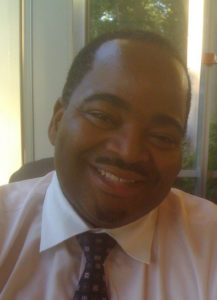 Kajli Prince (“Prince”) has over 20 years of experience in small business tax preparation; he is the office manager of H&R Block’s Sudley Manor Office in Manassas, Virginia. As a self-published author, Prince holds a special appreciation for NAIWE and its members. One of his passions is sharing relevant information with people and showing them how best to use it for their benefit. Prince is a small business owner of 25 years, and his specialties include emerging currencies (e.g., virtual/crypto currencies), information technology, intellectual property, and business administration.
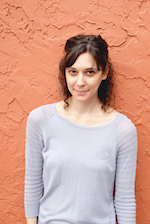 Dana Sitar has been writing and editing for digital media since 2011, most recently as a copy editor for fintech and personal finance. She trains journalists, writers, and editors on writing for the web through sessions at the annual ACES editors’ conference, Utah Valley University, online courses, and private trainings. Dana has written about work and writing in digital media for publications including the New York Times, HuffPost, a column for Inc. Magazine, and dozens of writing and content marketing blogs. As a branded content editor for The Penny Hoarder, Dana managed a team of writers, editors, and social media experts to create multimedia branded content to help advertisers reach an audience of 12 million across platforms including social media, email, blog, and video.
 Robert Moskowitz is an award-winning independent professional writer who has written and sold millions of words in just about every format over five decades. He instinctively sees the big pictures, breaks each one down into coherent slices, meaningfully prioritizes and sequences those slices, and then executes the tasks inherent in each slice in very productive ways. Put more simply, Robert knows how to succeed as an independent writer, covering all the bases from soliciting assignments to delivering polished work, from pricing jobs to budgeting and managing personal finances, from organizing a conducive office environment to establishing and following sensible guidelines regarding life, work, and productivity. Having done all this, and having paid attention to how he did it, Robert is now in a position to pass along what he knows to others.