 I’m in the process of embarking on another — maybe a last — big adventure. I’m surrounded by packed boxes (42 of books alone so far) and piles of more belongings still to be packed. It’s a lot of work, even with the help of friends, but it’s exciting. A new state, a new town, a new lifestyle.
Foremost in my thoughts about moving to this new place is how to connect with colleagues — to continue my enjoyable history as a joiner, a doer, a connector in my professional life. I’m not just a writer, editor, proofreader, and speaker; I’m known for bringing people together through memberships in groups like NAIWE by hosting meetings, participating in online discussion groups, speaking at events, even creating a conference for other freelancers. Connecting seems to be in my DNA.
I’m not worried about personal-level connections: My brother and his wife, their daughter, son, and grandkids; a cousin and her family; even a high school classmate are all in the immediate area; another niece is an hour or so away; and another close friend from high school days is about three hours away. My new community has an active social committee, among other amenities that bring people together. And my connecting efforts extend to childhood friends, high school and college classmates, neighbors, even family.
Clearly, personal connections should be in good shape. In the current climate, making new professional connections might be more challenging. Professional associations remain invaluable sources of industry knowledge, training, skill-building, networking — but many are struggling to remain relevant, attract new and younger members, be financially stable. Employers no longer support multiple memberships; some not even one. Freelancers have more challenges to making a living, so joining and being active in more than one can take a back seat to finding well-paying client.
A move provides a great opportunity to declutter, deaccession, reorganize, rethink; what to keep, what to leave behind, what to plan to rearrange. For me, it also provides an opportunity to find new organizations to join and contribute to, or chapters of ones I already belong to; new colleagues to meet and work with.
As I’ve written about before, belonging to an association creates instant connections. It gives you a professional “home” no matter where you go. When I came back to St. Louis in 2018, one of the first things I did was find local writers’ and publishers’ organizations that were new to me. Being involved in several national associations meant I could join their local chapters, so I had two levels of connection to enjoy. As I get ready to go to new pastures in New Mexico, I look forward to joining local chapters of some of those national groups and finding new local ones to be part of. I already know that one of my journalism groups has New Mexico chapters — and one of my dearest friends from high school days belongs, so the personal and professional will be hand in hand.
Why create and maintain such connections? Partly thanks to personality: I’m the poster child for extroverts. I love meeting people and working on projects together to benefit each other and our communities; I also feel strongly about finding ways to plug into a new community, through both professional connections and cultural entities — libraries, museums and galleries, charitable organizations, hobby groups. It might not be as much of a “thing” these days as it was when I began my career, but joining and contributing to organizations has been important to that career, and giving back so others can benefit just seems like the right thing to do. Connecting with family, friends, colleagues, and neighbors is a great way to make a new place feel like home.
And by the way, you don’t have to make a big life change or move to a new city or state to make new connections. There are several great professional associations for writers and editors; look for them, and consider joining one you’ve never been involved with before. Or find a new group at LinkedIn, Bluesky, or Facebook. Or create one of your own!
Here’s to maintaining existing connections and making new ones.
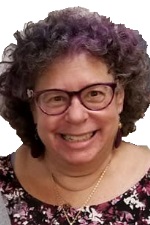 Ruth Thaler-Carter has been a full-time freelance writer, editor, proofreader, desktop publisher, and speaker for more than 40 years. She has been published locally, regionally, nationally, and internationally in, and does writing, editing, and proofreading for, publications, associations, nonprofits, websites, service firms, independent authors, and businesses. She sold her first freelance articles when she was still in high school. Often called the Queen of Networking, Ruth is active in about a dozen professional associations, serving as a newsletter editor, webmaster, publication author, speaker/presenter, blogger, program host or planner, and chapter leader. In 2006, Ruth launched the Communication Central Be a Better Freelancer conference — now cohosted with NAIWE — to help aspiring and established freelancers find greater success. Ruth is also owner and editor-in-chief of the An American Editor blog and owner of the Publishing with Flair publishing business. Her honors include member of her high school alumni hall of fame, in part for her publishing work and networking services; Writers and Books Big Pencil Award for teaching adults and contributions to the literary community; EFfie awards for writing, editing, and newsletters; an APEX award for feature writing; the Philip M. Stern Award of Washington (DC) Independent Writers for service to freelancers; and IABC/DC Communicator of the Year and Silver Quills for magazine writing and newsletters.
 Writing a novel is hard; editing it can be even harder. After weeks, months, or even years of writing, you need to give the writer a vacation and invite your editor to the computer — but where do you start and how do you do it?
 Karin Beery is an award-winning author and editor with experience in traditional and self-publishing, freelance editing, and editing for publishers. She is an active member of Advanced Writers and Speakers Association, Christian Authors Network, and the Christian Proofreaders and Editors Network. Karin’s specialty is substantive fiction editing with an emphasis in romance and women’s fiction.
 Stephen (“Steve”) Colwell is the founder of Clarify Media and Completing, one specializing in marketing and brand strategy for B2B and B2C firms; the other focused on growth operations training and consulting for teams seeking more scalable ways of operating. Steve brings 15+ years experience leading high-performing creative, technical, and operations teams across the globe. A certified Agile practitioner and Fractional CMO, Steve helps teams of all types and sizes save time and accelerate growth by implementing the same proven methods and routines practiced by today’s top-performing companies. Steve has helped national and global brands in technology, healthcare, education, finance, consumer goods, travel, entertainment, blockchain, and a number of other industries.
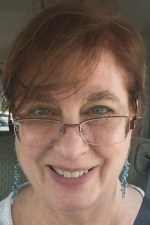 Claudia Suzanne is a consummate ghostwriter/teacher, understanding what authors need in order to successfully complete their book dream, and she has a finely honed talent for communicating what she knows to her students and clients. Popularly dubbed “The Einstein of Ghostwriting,” Claudia has entertained and informed tens of thousands of writers, editors, journalists, and aspiring authors at countless writer and professional meetings, conferences, radio and BlogTalk radio broadcasts, webinars, and podcasts. Claudia was an invited expert on Penguin’s Author Solutions Expert Video series and a featured entrepreneur in Orange County Business Journal and Norwegian Business Daily. Her signature title, This Business of Books: A Complete Overview of the Industry from Concept through Sales, earned her a 2018 Author of Influence Award from Connected Women of Influence.

 Why I Ghostwrite