
 Reporters typically connect with a source once, get what they need, and go on their way to write a story. Sometimes you have to revise a story based on your editor’s suggestions. What happens when you don’t just need to edit, but have to ask a source for additional information? Maybe you realize you didn’t have everything you needed once you start writing the story, or your editor comes back with more questions during the revision process. Either way, returning to a source for more information can be tricky.
Mostly because you want to make sure you get exactly what you need out of your second interaction.
I’ve been there — not too frequently, but it has happened to me. Sometimes the editor raises additional questions when reading your story, or they weren’t clear about what they wanted from the get-go when they assigned it. Writers can equally be to blame, because sometimes we realize what we need — and don’t have — only when we start putting an article together. And sometimes, you simply forgot to ask something or didn’t prod the source for enough details.
Whatever the case, here are some insights to help if you have to conduct a second interview with a source.
- Define what you need. Whether your editor is requesting more information, or you are the one inquiring, it’s essential to know exactly the information you’re looking for. This may involve doing more research or more work — or combing through any other interviews — to ensure you know specifically what you need. Writing out bullet points helps pinpoint the concepts that need to be addressed.
- Devise exact questions. As you know, the information you get can largely depend on the types of questions you ask. If you need a yes-or-no response, ask a yes-or-no question. But if you need more, be specific in your question. Ask for things like a real-life example of a situation. Explain that you understand the subject but need more information about what that means or does. It can help to “bullet-point out” some concepts and have your questions prepared. While you can always try to go back to a source for information, you want to interrupt them as little as possible. Even if they say they’re there to help, it’s your job to get in and out with what you need.
- Consider the interview. Will you be emailing additional questions, or do you need to set up a call or meet in person? Sometimes the conversation of a live interview could lead you off track, so you’ll want to be mindful of time to ensure that your priority questions get answers.
- Examine the answers. The source’s responses to those questions may prompt you to ask additional questions. Be prepared to do some digesting on the spot so you can then, in turn, ask any follow-up questions to best understand their answer.
- Ask for information. Not understanding something? That’s okay. It’s your job as the reporter to ensure that you do, and most people want everything to be accurate (especially what they say) and will take a moment to explain things. If you are unclear about something, the best thing to do is just ask. Keep in mind that if the source spouts off something like an acronym, you can probably figure it out within the context of the subject you’re talking about by doing a quick internet search. But if you’re really lost, ask.
- Double check. When you’ve received the answers to all of your questions, go back and check again to check off everything on the list. Remember, you don’t want to have to go back and forth with a source and your editor will appreciate as few rounds of revisions as necessary.
Writing can be a long process, especially when the editing process includes conducting additional interviews. With a little planning and finesse, you can turn around a draft that has everything it should.
 Kristen Fischer is a copywriter and journalist living at the Jersey Shore. She worked as a reporter and copyeditor for Gannett before launching her full-time freelance business in 2005. Her work has been published in Parents, New Jersey Monthly, Prevention, Woman’s Day, SheKnows, and Healthline.
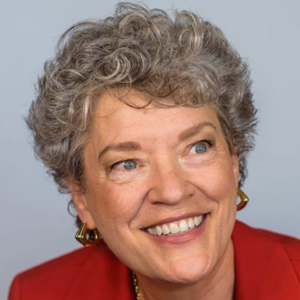 Meggin McIntosh, the PhD of Productivity, is an award-winning professor who now works with academics who prefer overjoyed to overwhelmed. She is a former university professor and administrator and currently a coach, author, and workshop leader. People who are overwhelmed and would prefer to be overjoyed instead, are the people I’m fortunate enough to connect with.