
We all have daily rhythms, and we also have weekly and monthly rhythms. It is worth paying attention to all of them. Here are four ideas for acknowledging and using your rhythms so you can be productive in your writing.
- Early morning. Many people find this to be the very best time to write because the muddle of the day has not started yet. If this is your best time, then schedule it so you have the time right there waiting for you. Sharon O’Brien said, “Writing became such a process of discovery that I couldn’t wait to get to work in the morning: I wanted to know what I was going to say.” What a fabulous mindset to have!
- Late at night. The night owl writer is the one who loves it when the house is quiet and all the rest of the world is asleep and then can write uninterrupted and unimpeded. For some, this is the rhythm that they need to capitalize on. For others, the nighttime writing is not planned but is the result of what Carrie Latet describes: “If I’m trying to sleep, the ideas won’t stop. If I’m trying to write, there appears a barren nothingness.”
- At lunch time. “Found” time is a fine time to write. If you wrote 30 minutes during lunch for 5 days in the same week, that’s 2 1/2 hours of writing. You can get a lot of words written during that time. You can write at your desk or better yet, get out of your regular “work” place and write outside, in the car, in another room, or a place that lets you know you are taking a break from your other work.
- Special times that you protect for yourself on the weekends or certain workdays. Even though the wise writers don’t try to hold all their writing to do during blocks of time, because those too rarely show up, we can create some special spaces for writing. You can decide that Saturday mornings are special writing times for you or Tuesday afternoons, or any other time that you can look ahead, block out, and decide to protect just for writing. More of this is under your control than you may have been acknowledging.
Note: Acknowledging your rhythms does not mean excusing yourself from writing at other times, i.e., if writing is a goal for you. And I’m assuming that since you chose to read this article that writing is a goal of yours.
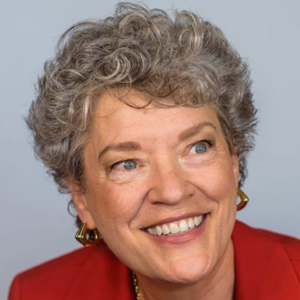 Meggin McIntosh, the PhD of Productivity, is an award-winning professor who now works with academics who prefer overjoyed to overwhelmed. She is a former university professor and administrator and currently a coach, author, and workshop leader. People who are overwhelmed and would prefer to be overjoyed instead, are the people I’m fortunate enough to connect with.
Leave a Reply